Louisiana has become the latest state to embrace Ryan's Law.

Louisiana has become the latest state to embrace compassionate cannabis access for terminally ill patients, officially passing Ryan's Law and joining a growing national movement that seeks to integrate medical cannabis into end-of-life care.

With Louisiana's approval, tenth states have now enacted Ryan's Law or similar legislation, including California, Maryland, North Dakota, Mississippi, Oregon, Delaware, Washington, Colorado, and Hawaii.
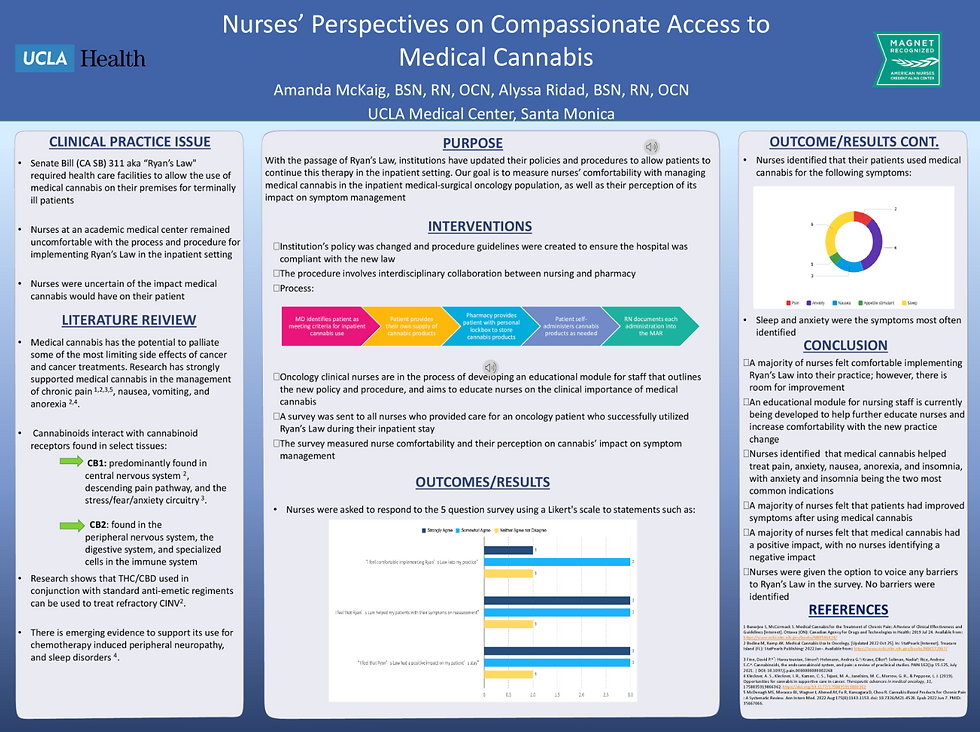
Named after U.S. Coast Guard veteran Ryan Bartell, who passed away from pancreatic cancer in 2018, Ryan's Law emerged from a deeply personal experience. During his final days, Ryan found relief through medical cannabis after traditional medications left him heavily sedated. However, accessing that relief within a healthcare facility proved difficult, forcing his family to navigate institutional barriers during an already devastating time.
In response, Ryan's father, veteran public affairs professional Jim Bartell, launched an effort to ensure future patients would have the option to use medical cannabis in healthcare settings. That effort ultimately resulted in California's Senate Bill 311, signed into law in 2021.
“Ryan didn’t want to spend his final days heavily sedated,” Bartell has said. “He wanted to be present with his family. No patient should be denied the option to choose a treatment that helps them maintain dignity and quality of life at the end of life.”
Louisiana's legislation continues the evolution of what many policymakers and healthcare advocates view as a patient-centered approach to end-of-life care. While each state's version differs, Ryan's Law generally allows terminally ill patients to access non-smokable forms of medical cannabis while receiving care in licensed healthcare facilities.
The growing adoption of Ryan's Law also reflects a broader shift in how medical cannabis is viewed within healthcare systems. Once largely excluded from conversations around palliative and hospice care, cannabis is increasingly being considered as an option for symptom management, including pain, nausea, anxiety, sleep disturbances, and appetite loss.
However, significant challenges persist.
The uncertainties of federal prohibition continue to create hesitancy for healthcare institutions concerned about funding, accreditation, and liability. As a result, implementation may vary between facilities, even in states where Ryan's Law has been enacted.
Despite those hurdles, momentum continues to build.
“The passage of Ryan’s Law in another state demonstrates that compassionate care is becoming a bipartisan issue,” said Ken Sobel, a longtime advocate for patient access and end-of-life cannabis policy. “Patients facing terminal illness deserve every reasonable option available to manage symptoms and preserve their quality of life.”
The passage of Ryan's Law in Louisiana signals that policymakers across the country are willing to examine how cannabis fits into compassionate care models. For advocates, healthcare professionals, patients, and families, the conversation is no longer whether cannabis should have a place in end-of-life care—but how access can be implemented responsibly and effectively.
As additional states consider similar legislation, Ryan Bartell's legacy continues to shape the national dialogue around patient autonomy, quality of life, and compassionate healthcare.
What began as one family's fight has become a growing policy movement, one state at a time.


Comments